
Body treatments
Tattoo Removal
Tattoo Removal
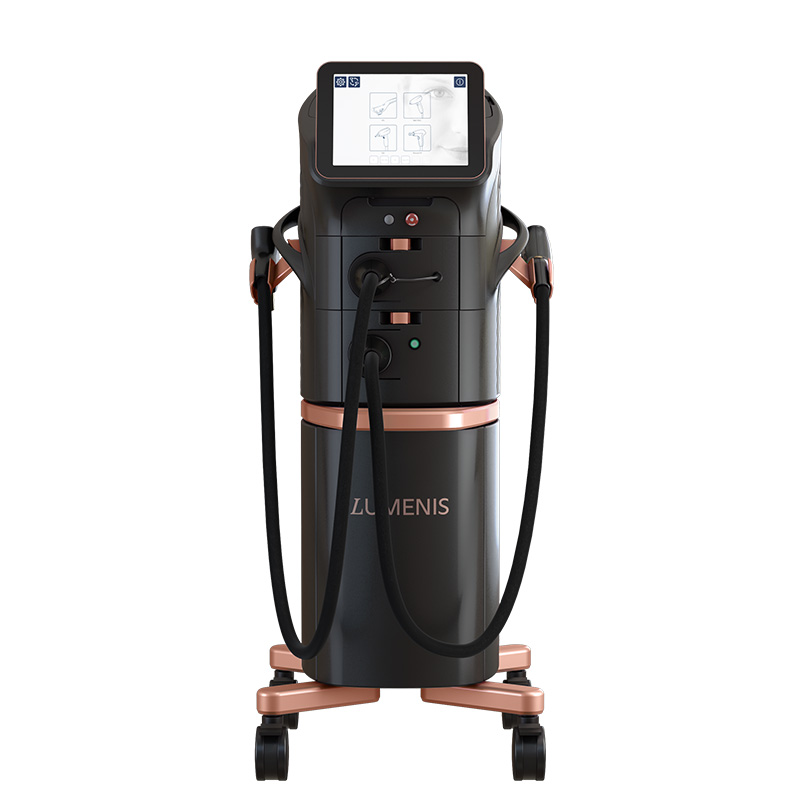
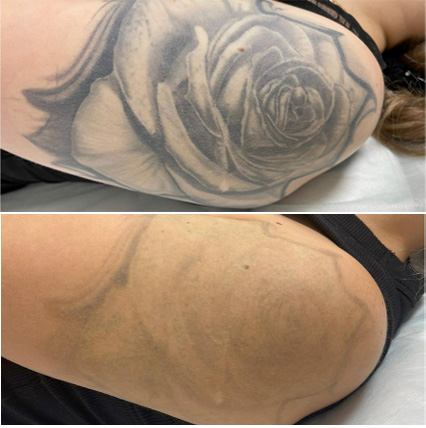
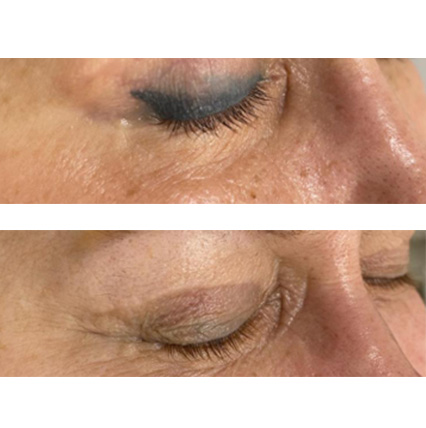
We provide non‑invasive laser treatments to reduce unwanted pigmentation and remove tattoos using the Stellar M22 Q‑Switched Nd:YAG system.
The Lumenis Stellar M22 uses advanced Q‑Switch technology to deliver customised laser tattoo removal treatments. This allows the device to adjust to the colour, shape, and depth of the tattoo, ensuring optimised and effective results.
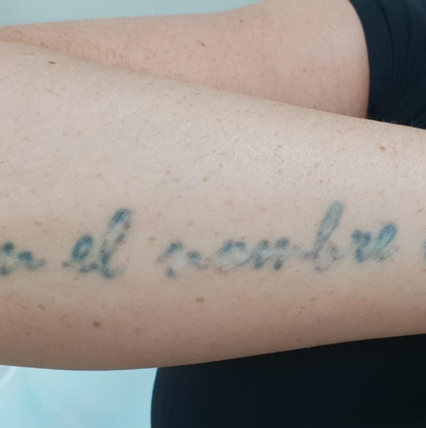
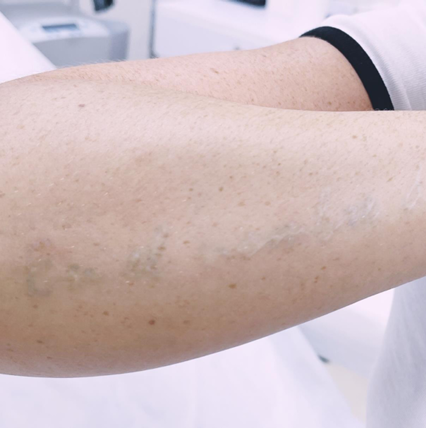
From your first session, you may notice a reduction in the tattoo’s colour density. The total number of sessions required will vary based on factors such as skin type, skin tone, tattoo colour, and the area of the body being treated. Treatment plans typically range from 2–3 sessions up to 10, depending on these variables.
Immediately after treatment, small white spots may appear on the treated area, followed by mild redness or swelling. These effects are normal and usually subside within 24 hours. A protective crust will then form within the first day as part of the natural healing process and typically falls off within two weeks. During this period, gradual fading of the tattoo will become visible. After 6–10 weeks, the skin will be ready for the next treatment session.


FAQ's
How Long Does Treatment Take?
The number of sessions required varies depending on tattoo size, depth, colour, and ink type. On average, 4–10 sessions are recommended for optimal results, though smaller tattoos may require fewer and larger tattoos may require more.
Will I Need Multiple Sessions?
Most tattoos require multiple treatments. As a general guide, 4–10 sessions are typically needed when using advanced systems such as the Stellar M22.
Treatment Frequency
A minimum interval of 8 weeks between sessions is recommended for best outcomes.
Is the Treatment Painful?
Most patients experience mild discomfort, though this varies by individual and treatment area. A topical anaesthetic or cooling blower may be used to minimise discomfort.
Pre‑Care Guidelines for Tattoo Removal
Preparing properly for tattoo removal helps ensure a safe and effective treatment.
- The treatment area must be free from make‑up, perfume, deodorant, and body or face creams.
- Avoid waxing, plucking, bleaching, or using hair‑removal creams for at least 2 weeks before treatment.
- Shave the area 24 hours before your appointment to minimise irritation.
- Wear comfortable clothing that won’t cause friction or heat on the treated area.
- Eat adequately before your appointment.
- The area must be free from active or fake tan. Avoid sunbeds and prolonged sun exposure for 1 month prior, and use SPF 50 between treatments.
- Inform us of any changes to your medical history or any medications you are taking, including over‑the‑counter or herbal products.
- Wait 3 months after any deep chemical peel before undergoing laser treatment.
What To Do Immediately After Your Laser Tattoo Removal
- Apply a cold compress wrapped in a clean cloth for 10–15 minutes to reduce swelling and heat. Avoid placing ice directly on the skin.
- Keep the sterile bandage applied by your practitioner on for 2–3 hours to shield the area from bacteria and irritation.
- Itching is normal, but do not touch or scratch the treated skin, as it increases the risk of infection.
- Do not pick at scabs or pop blisters; allow them to heal naturally to prevent scarring.
- Do not apply lotions or creams unless recommended by your practitioner. Unapproved products can irritate the skin and slow healing.
- Keep the area out of direct sunlight. Once healing allows, cover it or use high‑SPF sunscreen to prevent irritation or pigmentation changes.
- Avoid activities that cause sweating for 24 hours, as sweat can irritate the skin and raise infection risk.
- Monitor for severe pain, excessive redness, or unusual discharge. Mild swelling and redness are normal, but concerning symptoms should be reported to your provider.